Pre-engineered metal buildings have become fundamental in modern construction due to their efficiency, durability, and versatility. These structures offer considerable cost and time savings, making them ideal for various applications from industrial warehouses to retail spaces.
A crucial factor in boosting the performance and sustainability of these buildings is the choice of roofing. A standing seam metal roof is a smart investment in a building’s longevity and energy efficiency. In regions like Canada, where the climate requires robust solutions, the right roof can significantly enhance a building’s effectiveness.
This blog explores the benefits, performance, and applications of standing seam metal roofing on pre-engineered metal buildings to help guide your roofing decisions.
What is a standing seam metal roof?
A standing seam metal roof system is made up of continuous metal panels joined by raised seams or vertical legs that sit above the roof surface.
Unlike traditional roofing materials, these panels are not penetrated by fasteners. Instead, they are mechanically seamed together, forming a tight, waterproof bond that greatly enhances the roof’s durability and weather resistance.
Key characteristics include:
- Design flexibility: Available in materials such as steel, aluminum, and copper
- Aesthetic appeal: Clean lines, modern appearance, and a wide range of colours and finishes
- Adaptability: Suitable for a variety of building styles and roof slopes
The architectural freedom and robust performance of standing seam systems have made them increasingly popular for both residential and commercial metal buildings.
For readers looking to understand how standing seam compares to other metal roofing options used in steel buildings, our guide on Metal Roofing Systems for Steel Buildings: Types, Installation & How to Choose provides a broader system-level overview.
Standing Seam Panel Types and Where They Fit
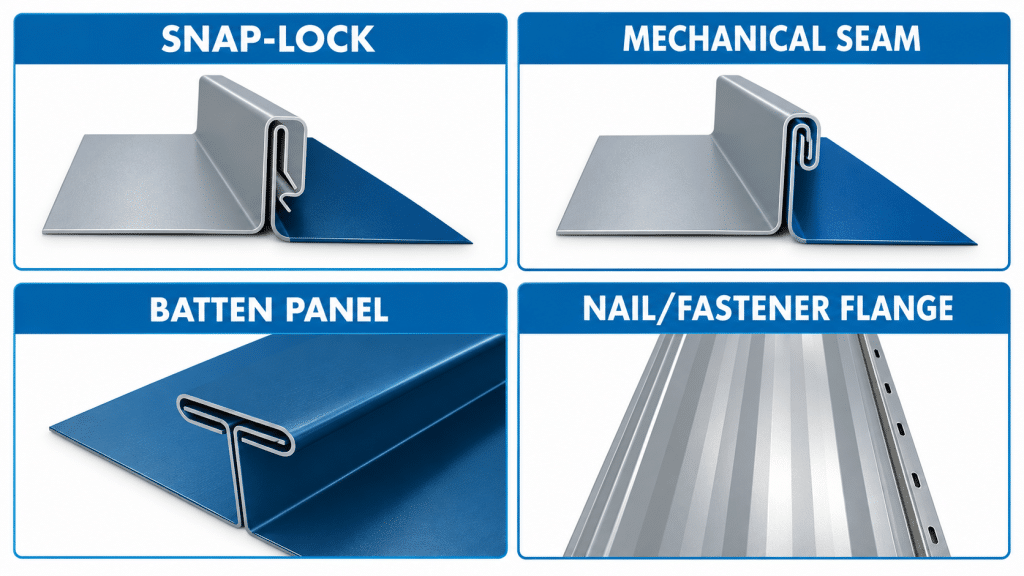
Snap-Lock (Clip-Fastened)
Snap-lock panels use concealed clips and snap together without mechanical seaming. They are commonly used on architectural projects with moderate slopes.
Mechanical Lock (Single vs Double Lock)
Mechanically seamed panels are folded together using specialized equipment. Double-lock systems offer enhanced weather resistance and are preferred for low-slope or high-exposure roofs.
Batten / Tee Seam and Snap Cap
These systems use a raised cap over panel joints, offering a traditional appearance while maintaining weather-tight performance.
Nail or Fastener Flange
These panels feature an integrated flange that fastens directly to the roof deck, commonly used in residential applications.
Structural vs Architectural Systems
Structural systems span greater distances and support higher loads, while architectural systems focus on aesthetics and lighter-duty applications.
Key Advantages of a Standing Seam Metal Roof
Enhanced Durability and Longevity
One of the primary benefits of a standing seam metal roof is its exceptional durability. These systems are designed to withstand extreme weather conditions, including heavy snow loads, high winds, and prolonged sun exposure. Concealed fasteners and interlocking seams significantly reduce the risk of water infiltration and long-term roof failure.
Improved Energy Efficiency
Standing seam metal roofing systems can be manufactured with highly reflective coatings that reduce heat absorption. By maintaining more stable indoor temperatures, these roofs help reduce HVAC demand, lowering energy consumption and operating costs.
Environmental Benefits
Sustainability is another key advantage. Most metal standing seam roof materials are fully recyclable at the end of their service life. Their long lifespan also reduces waste and replacement frequency, supporting environmentally responsible building practices.
Performance in Canadian Climates
Standing seam roofs perform exceptionally well in Canadian conditions. Their design allows for natural thermal expansion and contraction without compromising the roof structure, which is critical for preventing stress-related damage over time.
No Exposed Fasteners
A defining feature of standing seam systems is the absence of exposed fasteners on the roof surface. This design reduces the risk of leaks caused by fastener deterioration, movement, or improper sealing, improving long-term weather resistance compared to traditional exposed fastener (screw-down) roofing systems.
Accommodation for Thermal Movement
Metal roofing materials naturally expand and contract with temperature changes. Standing seam systems are engineered to allow controlled panel movement, preventing distortion, fastener stress, and premature wear, particularly on longer roof spans. This controlled movement is particularly beneficial for steel buildings subject to vibration or operational movement, helping maintain roof integrity over time.
Long Lifecycle Performance
Standing seam roofs are known for their long service life when properly designed and installed. Their durability, combined with corrosion-resistant finishes, contributes to consistent performance over time with minimal intervention.
Low Maintenance Requirements
Because standing seam roofs use concealed attachment methods and durable coatings, they generally require less maintenance than traditional roofing systems. Routine inspections and basic upkeep are typically sufficient to preserve performance and appearance.
Weather Tightness and Overall Performance
The raised seam design and interlocking panel system create a highly weather-tight roof assembly. This construction helps manage wind-driven rain, snow accumulation, and ice formation, making standing seam roofs suitable for demanding environments.
Architectural Flexibility and Clean Appearance
Standing seam roofing offers a sleek, uniform appearance with long, uninterrupted panel lines. A wide range of profiles, seam heights, colours, and finishes allows designers to achieve both functional and architectural goals without compromising performance.
Panel Options and Fabrication Methods
Standing seam panels are available in multiple profiles and can be manufactured through factory roll-forming or on-site roll-forming, depending on project requirements. This flexibility allows panels to be tailored to roof geometry, transportation constraints, and installation conditions.
How to Install a Standing Seam Metal Roof
A standing seam metal roof system requires precise installation to ensure long-term performance, weather tightness, and structural integrity. While installation methods vary depending on the panel profile and seam type, the process typically includes proper substrate preparation, installation of underlayment, placement of concealed clips, panel alignment, and mechanical or snap-lock seaming.
Because standing seam systems rely on specialized equipment, accurate detailing, and controlled panel movement, installation should be performed by experienced roofing professionals. Proper installation ensures that seams are correctly formed, thermal expansion is accommodated, and manufacturer requirements are met.
In pre-engineered metal building applications, roof insulation is installed as part of the roofing process. Insulation systems are designed to work in conjunction with the standing seam roof to improve thermal performance, manage condensation, and support energy efficiency requirements. Correct installation of insulation is essential to maintaining indoor comfort and ensuring the roof system performs as intended.
Understanding how to install standing seam metal roof systems helps building owners make informed decisions and warranty coverage associated with standing seam metal roof installation.
Factors Affecting the Cost of a Standing Seam Metal Roof
The cost of a standing seam metal roof can vary significantly based on several project-specific factors. Understanding these variables helps set realistic expectations and supports informed planning during the design phase.
Panel Profile and Seam Type
Different panel profiles, seam heights, and locking methods influence material and fabrication costs. Mechanically seamed systems and higher seam profiles typically require additional labour and specialized equipment.
Roof Slope and Complexity
Roof geometry plays a major role in overall cost. Steeper slopes, longer panel runs, multiple roof planes, penetrations, or transitions increase installation complexity and labour requirements.
Material Selection and Finishes
Material type, thickness, and coating systems affect both upfront cost and long-term performance. Higher-performance finishes may increase initial investment while improving durability and corrosion resistance.
Panel Length and Fabrication Method
Panel length requirements and whether panels are factory roll-formed or on-site roll-formed can influence transportation, handling, and installation efficiency. Longer panels may reduce seams but require specialized handling.
Insulation and Thermal Performance Requirements
Roof insulation is typically installed as part of the standing seam roof system in pre-engineered metal buildings. Insulation type, thickness, and installation method contribute to overall project cost while directly affecting energy performance and condensation control.
Installation Expertise and Equipment
Because standing seam systems require precise installation and specialized seaming tools, labour costs reflect the experience level of the installation team. Professional installation is essential for long-term performance and warranty compliance.
Accessories and Roof Attachments
Snow retention systems, roof-mounted equipment, edge details, and flashing requirements can add to overall cost. Standing seam roofs often allow accessories to be installed without roof penetrations, which can help preserve system integrity.
If you are evaluating how much does a standing seam metal roof cost, it is important to consider both initial investment and long-term value. Durability, energy efficiency, and reduced maintenance requirements often contribute to lower lifecycle costs compared to traditional roofing systems.
Considerations and Limitations
Retrofit, Curved Panels, and Special Applications
Not all buildings are suitable for retrofit installations, and curved or specialty roof designs often require advanced engineering and custom panel fabrication. Structural capacity, existing roof conditions, and attachment details must be carefully evaluated to determine feasibility. In some cases, modifications to the supporting structure may be necessary to accommodate a standing seam roof system.
Striations, Stiffening Ribs, or Rib Rollers
Oil canning, visible waviness in flat metal panels, is a natural characteristic of light-gauge metal products and is primarily aesthetic. Striations, stiffening ribs, or rib rolling techniques can help minimize its appearance, particularly on wider panels or long roof runs. Panel profile selection, installation practices, and substrate conditions also influence overall panel appearance.
How to Choose the Right Standing Seam System
Selecting the appropriate standing seam system requires careful consideration of building design, environmental conditions, and long-term performance requirements. Evaluating these factors early in the planning process helps ensure the roof system performs as intended throughout its service life.
Assess Building Requirements and Design Goals
Building type, size, roof geometry, and intended use all influence system selection. Structural demands, architectural objectives, and aesthetic preferences should be aligned with the appropriate panel profile and seam configuration.
Evaluate Weather and Climate Conditions
Local climate plays a critical role in determining seam type, panel profile, and attachment method. Snow loads, wind exposure, temperature fluctuations, and precipitation patterns must be accounted for, particularly in regions with demanding weather conditions.
Consider Installation and Maintenance Factors
Different standing seam systems require varying levels of installation expertise, equipment, and ongoing maintenance. Understanding installation complexity and access requirements helps ensure the system remains practical over the long term.
Account for Thermal Expansion and Movement
Metal roofing systems expand and contract with temperature changes. The selected standing seam system must allow controlled movement to prevent panel stress, distortion, or premature wear, especially on longer roof runs.
Review Building Use and Load Demands
Roof systems may be subject to additional loads from snow retention devices, rooftop equipment, or maintenance traffic. These factors should be considered when selecting panel thickness, seam height, and structural capacity.
Plan for Roof Attachments and Accessories
Anticipating the need for snow guards, solar panels, ventilation components, or other accessories helps ensure compatibility with the standing seam system. Proper planning allows accessories to be integrated without compromising roof performance.
Verify Panel Sizes and Seam Heights
Panel width, length, and seam height influence both performance and appearance. Taller seams and structural profiles may be required for low-slope roofs or high-exposure environments.
Consult with Experienced Installers and Suppliers
Working with knowledgeable professionals helps ensure the selected system is appropriate for the specific project conditions. Experienced suppliers and installers can provide guidance on system selection, detailing, and performance expectations.
Maintenance & Care Tips
Standing seam metal roofs are designed to deliver long-term performance with relatively low maintenance requirements. Regular inspections and basic upkeep help preserve weather tightness, appearance, and overall system integrity.
As a general guideline, inspecting the roof once or twice per year, as well as after major weather events, helps identify potential issues early. Routine maintenance typically includes checking seams, flashings, and roof accessories to ensure they remain secure and properly sealed. Keeping roof surfaces clear of debris supports effective water drainage and helps prevent localized wear.
In regions with heavy snowfall or severe weather, additional inspections may be advisable following extreme conditions. When maintenance or repairs are required, work should be performed by qualified professionals familiar with standing seam roof systems to avoid damage to panels or seams.
Best Applications for Standing Seam Metal Roofs
Standing seam systems are commonly used on pre-engineered metal buildings due to their compatibility with long roof spans, structural efficiency, and ability to accommodate thermal movement. They integrate well with engineered roof assemblies and insulation systems.
Commercial and Industrial Buildings
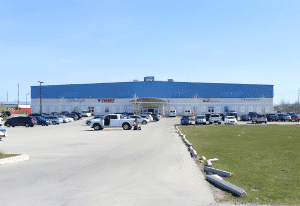
Warehouses, manufacturing facilities, and commercial spaces benefit from the durability and weather tightness of standing seam roofs. These systems perform well on large roof areas and are suited for buildings with demanding operational requirements.
Agricultural Buildings
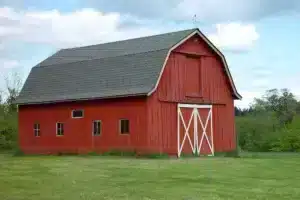
In agricultural environments, standing seam roofs provide reliable protection against weather exposure and temperature fluctuations. Their durability and low maintenance needs make them suitable for barns, equipment storage, and farm-related structures.
Residential and Architectural Applications
Standing seam metal roofs are increasingly used in residential projects where clean lines and long-term performance are desired. A wide range of profiles and finishes allows these systems to complement architectural design while delivering dependable protection.
Buildings Requiring Roof-Mounted Accessories
Standing seam systems are well suited for buildings that require snow retention systems, solar panels, or other roof-mounted equipment. Many accessories can be attached without penetrating the roof surface, helping maintain system integrity.

Why a Standing Seam Roof Is the Smart Choice
The advantages of a standing seam metal roof system are clear and compelling:
- Durability: Engineered to perform in extreme weather conditions
- Energy efficiency: Reflective finishes and tight seams reduce energy costs
- Environmental responsibility: Recyclable materials and long service life
Integrating a standing seam roof into your metal building is a wise decision for those considering a new construction project, particularly in regions like Ontario. It will enhance the building’s aesthetic appeal and provide long-term benefits, making it a cost-effective, environmentally friendly, and robust choice for any enterprise. Additionally, if you’re looking for versatile solutions for residential steel & metal buildings, standing seam roof systems are something you should consider.
Frequently Asked Questions
What roof pitch is required for a standing seam metal roof?
The minimum roof pitch depends on the standing seam panel profile and seam type. Many mechanically seamed systems are designed for low-slope roofs, but exact requirements are defined by the manufacturer and engineering specifications.
Which profile is best for low-slope roofs?
Mechanically seamed standing seam profiles, especially double-lock systems, are generally best for low-slope roofs because they provide superior weather tightness compared to snap-lock profiles.
How to install a standing seam metal roof?
Installing a standing seam metal roof involves substrate preparation, underlayment installation, placement of concealed clips, panel alignment, and mechanical or snap-lock seaming. Due to the specialized equipment and detailing required, installation should be performed by experienced roofing professionals.
Can solar panels and snow guards be attached without roof penetrations?
Yes, many standing seam metal roof systems allow solar panels and snow retention devices to be attached using clamp-based systems that do not penetrate the roof panels. Compatibility depends on the panel profile and accessory design.
How do I minimize oil canning?
Oil canning is a visual waviness in flat metal panels and does not affect structural performance. It can be minimized through proper panel selection, use of striations or stiffening ribs, controlled panel widths, suitable substrates, and correct installation practices.
How long does a standing seam metal roof last?
A standing seam metal roof can last several decades when properly designed, professionally installed, and regularly maintained. Actual lifespan depends on material type, coating system, climate, and maintenance practices.
What is the difference between a metal roof and a standing seam metal roof?
A metal roof is a broad category that includes many roofing systems. A standing seam metal roof is a specific type of metal roof characterized by raised seams and concealed fasteners, offering improved weather resistance and durability.
What is the difference between a standing seam metal roof and a screw-down metal roof?
Standing seam metal roofs use concealed fasteners and interlocking seams, while screw-down metal roofs use exposed fasteners that penetrate the panels. Exposed fasteners typically require more maintenance over time due to movement and sealing wear.
Are standing seam metal roofs worth it?
Standing seam metal roofs are often considered a long-term investment due to their durability, performance, and lower maintenance requirements, even though initial costs may be higher than some traditional roofing systems.
How many years will a standing seam metal roof last?
Many standing seam metal roofs provide 40 years or more of service life under normal conditions when properly installed and maintained. Longevity varies based on system design, environment, and material selection.
What is the average cost of a standing seam metal roof?
There is no universal average cost for a standing seam metal roof. Pricing depends on panel type, material, roof complexity, insulation requirements, and installation conditions, and should be evaluated on a project-by-project basis.
How much does a standing seam metal roof cost?
The total cost of a standing seam metal roof depends on system design, materials, roof geometry, insulation, and professional installation requirements. Considering long-term performance and lifecycle value provides a more accurate cost assessment than upfront price alone.